


text Francesca Lombardi
photo Nicola Gnesi


Igor Mitoraj Museum in Pietrasanta: a new home for contemporary sculpture opens
Stefano Contini discusses the museum dedicated to the master and the future of a place destined to attract visitors from all over the world
In Pietrasanta, the opening of the Igor Mitoraj Museum marks the birth of a long-awaited venue destined to become a new international landmark.
Housed in the renovated spaces of the former municipal market, the museum was established thanks to a donation of 69 works by Jean-Paul Sabatié, the artist’s heir and current president of the Foundation, and features sculptures and jewelry that capture the complexity of the master’s artistic exploration. The project also looks to the future, embracing contemporary sculpture and fostering dialogue among artists, artisans, and the local community. We discuss this with gallery owner Stefano Contini, who knew and worked with Mitoraj for over thirty years.
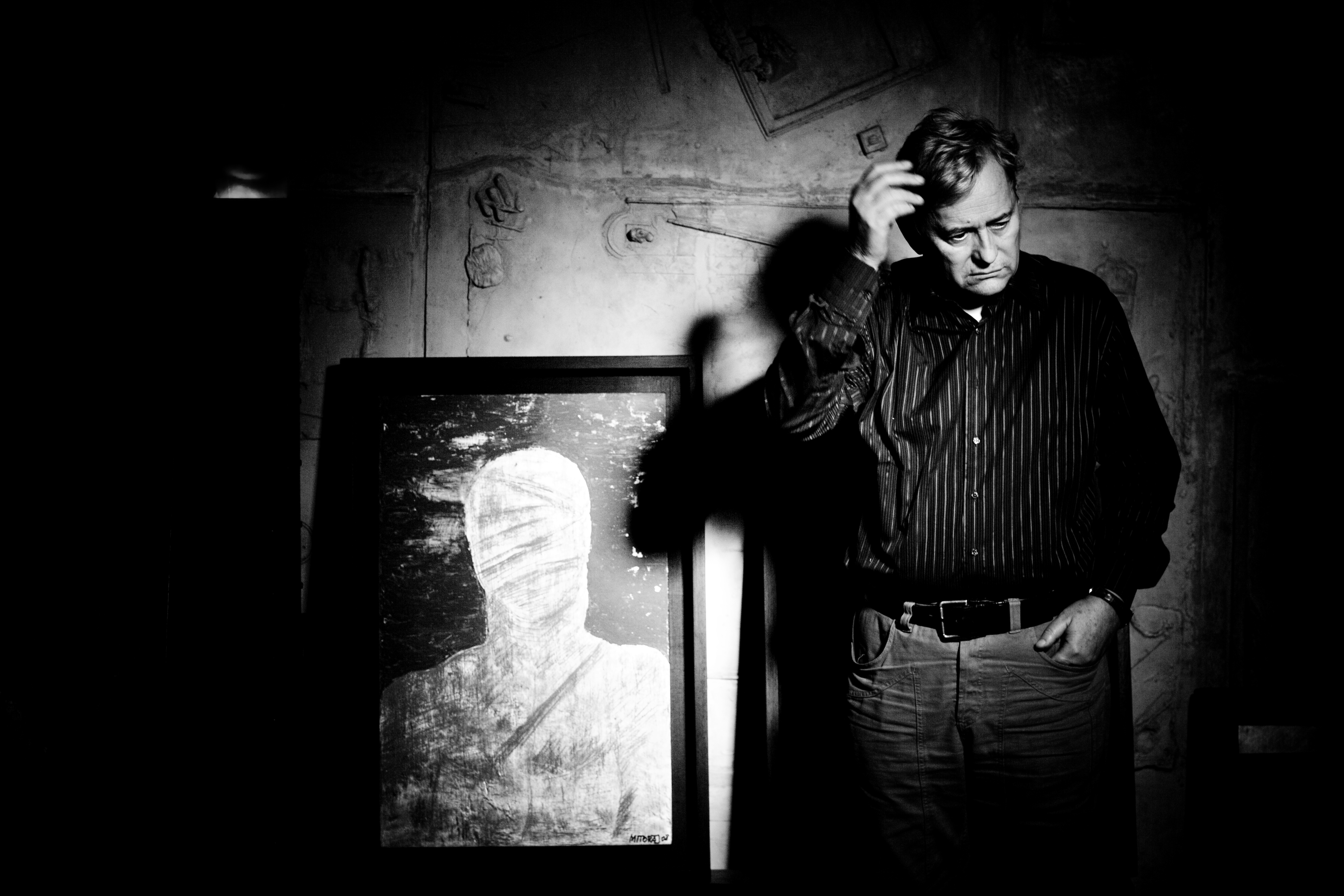 A portrait of Igor Mitoraj taken during our interview a few years ago (ph. Alessandro Moggi)
The Igor Mitoraj Museum represents the culmination of a project that has been many years in the making. How did you feel when you first entered the spaces that were finally open to the public?
The museum stems from an idea shared by Jean-Paul Sabatié, president of the Atelier Mitoraj and now of the Igor Mitoraj Museum Foundation, the then-mayor Massimo Mallegni, and myself – a project born of the bond that has united the Contini Gallery with Igor for over thirty years. The opening came at the end of a long and complex journey, but the project has finally seen the light of day. Stepping into those spaces was a deeply moving experience. You couldn’t have found a better venue: a modern, light-filled building capable of engaging with the power and relevance of his work.
You knew Igor Mitoraj and followed his work for many years. What aspect of his personality and art do you find most authentically reflected in the museum?
Those who knew him remember a discreet, polite person endowed with extraordinary sensitivity. His work drew on ancient art, yet he knew how to transform it into something profoundly contemporary. This tension between classicism and the present keeps his artistic language alive and recognizable even today. Mitoraj the man was as beautiful as his work: reserved, intense, brilliant. In the museum, I see his ability to express, through the fragment, a universal vision of humanity, beauty, fragility, and time.
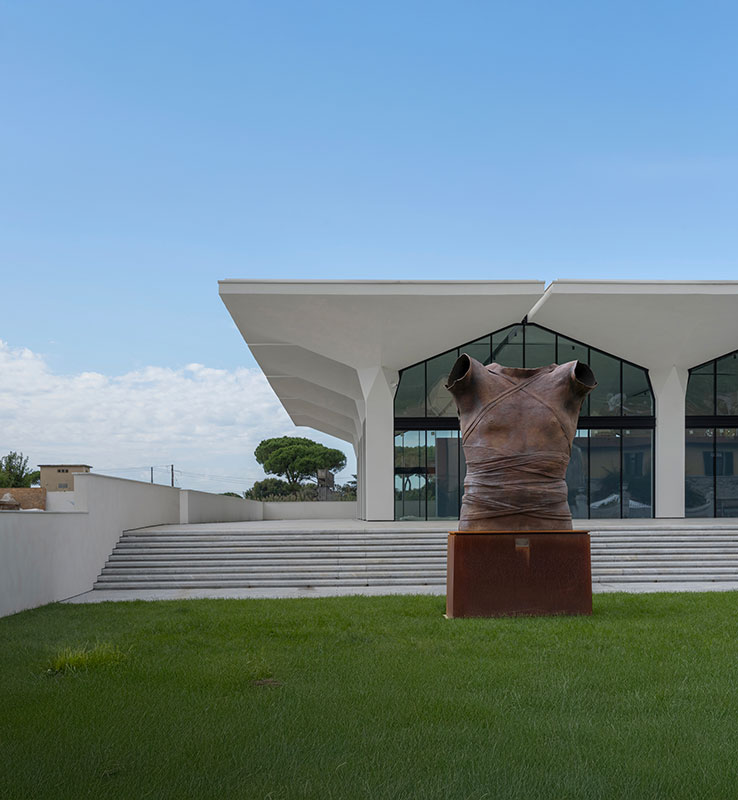 Museo Mitoraj di Pietrasanta
Mitoraj had chosen Pietrasanta as his home and workplace, forging a deep bond with its artisans. How important is it that the museum also tells the story of this relationship?
A sculptor cannot create his works without the contribution of artisans. A perfect union must form between the artist and the craftsmen – a special understanding that allows an idea to be translated into material form. The tradition of marble craftsmanship and the excellence of the foundries have drawn some of the greatest modern and contemporary artists here. The museum must showcase this heritage of expertise. Pietrasanta is a small paradise of art, and the museum can become the place where this identity is recognized and renewed.
Beyond preserving the master’s legacy, what role can the Mitoraj Museum play on the international stage and in the education of future generations?
When institutions recognize an artist’s importance and dedicate a museum to them, that artist takes their definitive place in art history.
The project’s significance is all the greater because it originates in the city where Mitoraj worked, of which he was an honorary citizen, and where his ashes rest. Pietrasanta represents his artistic and personal home.
The museum will be able to further his legacy and attract collectors, scholars, and enthusiasts from around the world. For younger generations, it will offer a direct encounter with sculpture and artisanal craftsmanship, strengthening the role of the city and the Versilia region on the international cultural scene.
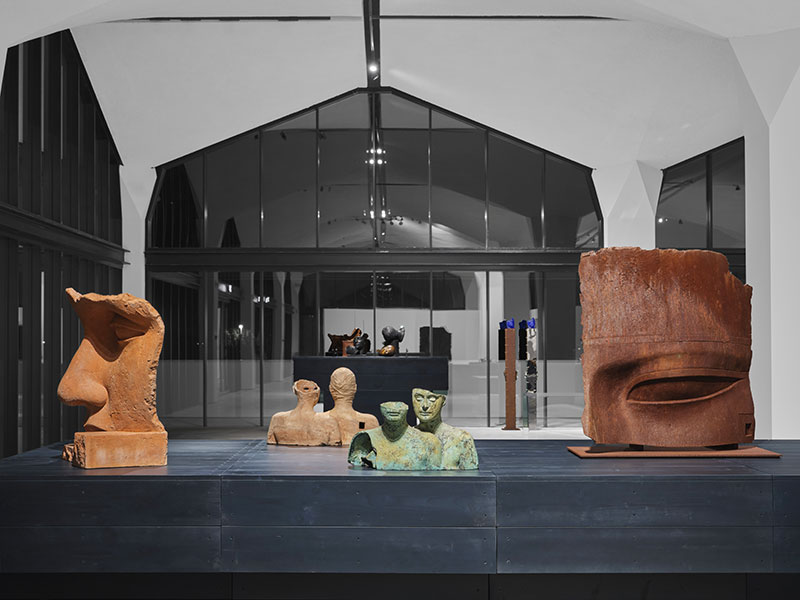 Museo Mitoraj di Pietrasa
Which of Mitoraj’s works has always moved you the most?
I lived alongside Igor for thirty years, and this allowed me to gain an intimate understanding of what he had created and what he still hoped to create. I was moved by his genius and by the way his sculptures – as if they were his children – resembled him. Being around him and his works, you could feel the aura of genius. That’s why I find it hard to choose just one: in all his works, I see his thoughts, his sensitivity, and his soul. Mitoraj forever.