text Teresa Favi


Chestnuts in Tuscany and Florence
How to tell them apart, where they come from, where to enjoy them in various forms, and festivals for connoisseurs
From the chestnut groves of Mugello to the forests of Amiata, discover one of autumn’s most beloved fruits: the differences between chestnuts and marroni, the most prized varieties, traditional desserts, must-visit spots in Florence, and the most beautiful festivals in Tuscany.e
Chestnuts and Tradition
There’s one scent, more than any other, that heralds the arrival of fall in Tuscany: that of roasted chestnuts slowly cooking over a fire. It is the scent of chestnuts, which are an essential part of this region’s culinary heritage and today serve as an excellent source of niche products such as castagnaccio, necci with ricotta, marron glacé, and mont blanc (the latter two imported from Piedmont, but nonetheless delicious).Tuscany is a land extraordinarily rich in chestnut groves, which shape the landscape of its mountains, from the Tuscan-Emilian Apennines to the Mugello (with Marradi at the forefront), from the Garfagnana to the Pistoia Mountains, all the way to the slopes of Mount Amiata. These forests, which in October blaze with shades of gold and copper, have for centuries been a vital resource for the survival of local communities.Chestnut flour was once used to make bread, polenta, focaccia, and simple dishes that fed entire generations, especially in mountainous areas where growing wheat was more difficult. This culinary heritage has now become a symbol of the most authentic Tuscan cuisine.
 FESTA DELLE CASTAGNE E DEL MARRON BUONO
Nutritional Values
Chestnuts are, in fact, an energy-rich food, packed with complex carbohydrates, fiber, and minerals, including potassium and magnesium. They also contain B vitamins and, unlike many other nuts, have a relatively low fat content. Although they are fairly high in calories—especially when dried—their nutritional properties explain their historical role in the diets of rural populations.Today, once a staple food, chestnuts and marroni have become gourmet delicacies, featuring prominently in traditional recipes, refined desserts, and folk festivals that attract thousands of visitors every fall, including enthusiasts and true connoisseurs.
The Difference Between Chestnuts and Marroni
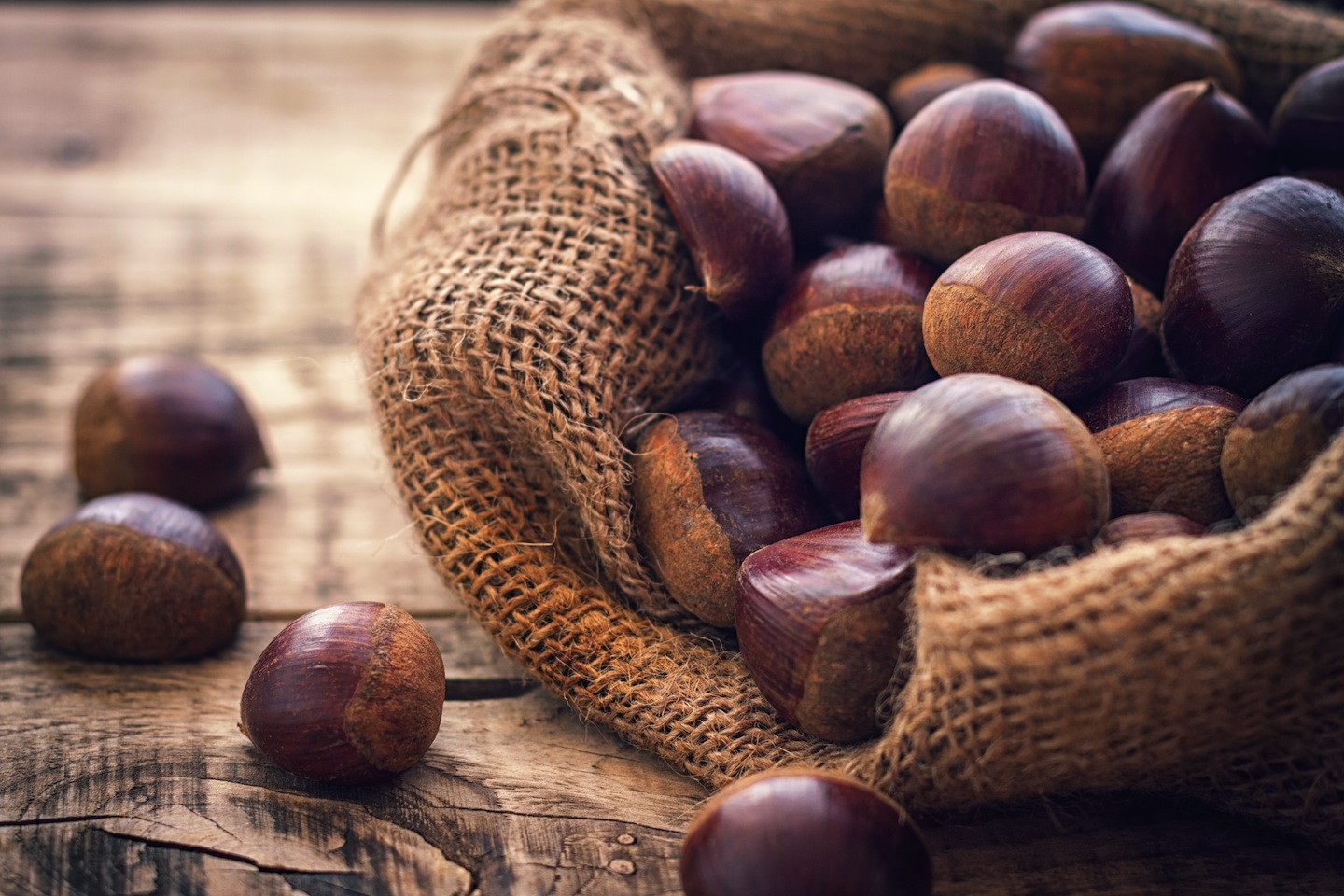
The most obvious difference lies in their appearance. Common chestnuts are generally smaller and may have an irregular shape, with a brown shell and an inner skin that penetrates the folds of the flesh, making them harder to peel.Marroni, on the other hand, are larger, with a round or elliptical shape, a lighter-colored skin often marked by dark streaks. The inner skin is less tightly adhered and comes off more easily.Chestnuts are excellent for making flour, preparing soups, and rustic dishes, while marroni, thanks to their size, sweetness, and ease of peeling, are particularly well-suited for candying and making the famous marron glacé.drag embedded assetpublishedTuscan chestnut
Where to find them
Mugello
Just a few kilometers from Florence, the Mugello is one of Italy’s most renowned regions for marroni production. This is the home of the Marrone del Mugello IGP, a premium variety with white flesh, a sweet and delicate flavor, and a pleasant aromatic note reminiscent of vanilla and hazelnuts. Production is concentrated primarily in the areas of Marradi, Palazzuolo sul Senio, and Dicomano.
 castagna toscana
Val di Bisenzio and Calvana
Amid the mountains of the Prato area, particularly in the upper Val di Bisenzio, chestnut cultivation has a very ancient history. Villages such as Migliana, Luicciana, and those around Cantagallo are home to chestnut groves and ancient drying sheds—called cannicciaie—where chestnuts were left to dry slowly over a wood fire. The upper Val di Bisenzio is where the production tradition historically linked to chestnuts is concentrated.
Garfagnana
Nestled between the Apuan Alps and the Apennines, Garfagnana is one of the regions that symbolizes chestnut culture. Here, chestnut cultivation has roots stretching back millennia, and the transformation of chestnuts into flour has become a true art form. Garfagnana Neccio Flour DOP, which is very fine and ranges in color from ivory to beige, is obtained by drying the chestnuts and then grinding them. It is the key ingredient in specialties such as necci, thin focaccia often stuffed with fresh ricotta, sweet polenta, and, of course, castagnaccio. In Garfagnana, where there were once thousands of metati—traditional drying sheds—chestnut flour continues to be one of the most iconic products of the local cuisine.
Monte Amiata
On Monte Amiata, between Siena and Grosseto, the chestnut tree is an integral part of the landscape and folk culture. The Monte Amiata IG Chestnut includes traditional varieties such as Cecio, Bastarda Rossa, and Marrone, prized for their sweet and delicate flavor. Villages such as Arcidosso, Castel del Piano, Santa Fiora, and Piancastagnaio preserve ancient recipes, ranging from suggioli (boiled chestnuts) to crastate (chestnut tarts), roasted chestnuts, and sweet chestnut polenta. Today, autumn on Mount Amiata is a season of great charm, featuring forests ablaze with fiery hues, open wineries, markets, and traditional festivals.
The Pistoia Mountains: Chestnuts, Metati, and Ancient Flavors
The Pistoia Mountains also maintain a strong connection to chestnut cultivation. In the woods around San Marcello Piteglio, Cutigliano, and in the mountainous areas toward the Apennines, chestnut groves were once one of the main food sources. Among the places worth mentioning is Vellano, in nearby Svizzera Pesciatina, known for its historic chestnut festival.
From Castagnaccio to Marron Glacé
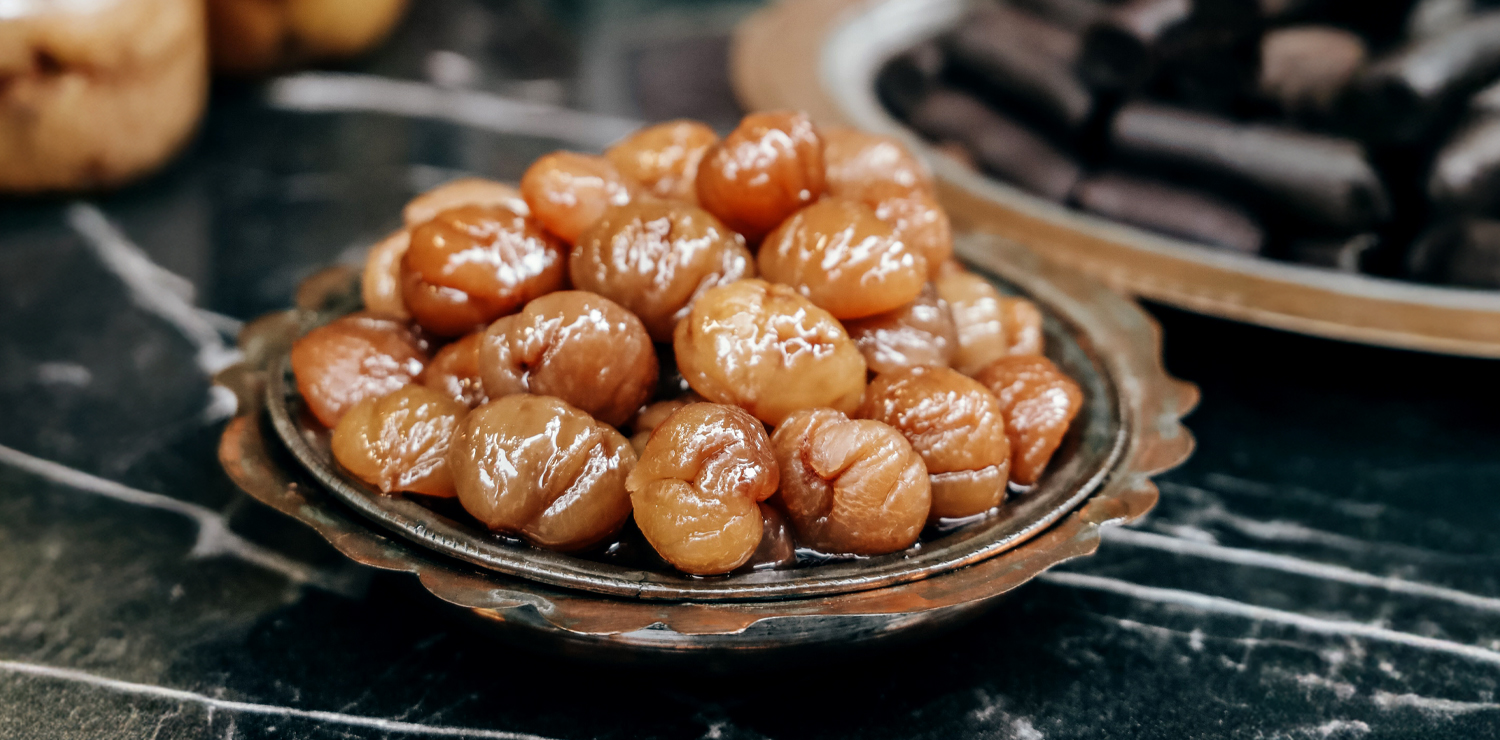
Among the most iconic desserts of Tuscan cuisine, the castagnaccio holds a special place. It is made with chestnut flour, water, extra-virgin olive oil, and—depending on the recipe—pine nuts and rosemary. The result is a flat cake, soft on the inside, with a thin, cracked surface and a naturally sweet flavor, without added sugar.At the opposite end of the spectrum, in terms of refinement and the complexity of the preparation, are the marron glacé, candied chestnuts made using a process that requires particular skill to keep the fruit intact. Another famous variation is the Mont Blanc, a dessert of Franco-Italian origin in which chestnut purée—often flavored with rum or vanilla—is shaped into thin strands and served with whipped cream, evoking a snow-capped mountain. But the simplest—and perhaps most irresistible—way to enjoy chestnuts remains as roasted chestnuts, also known in Tuscany as bruciate or crastate, roasted over an open fire after the skin has been scored.drag embedded assetpublishedmarron glacé
The Best Places in Florence to Enjoy Chestnuts
I Dolci di Massimo – Piazza Gualfredotto da Milano, 14/r, 50126 Florence FI, Italy Located in the Gavinana neighborhood, this pastry shop, founded in 1994, is a go-to spot for those who love the great classics of traditional pastry-making. Alongside Sacher cakes, meringues, chocolates, and semifreddi, the recommended specialties include marron glacé, which also make the perfect small gourmet gift.
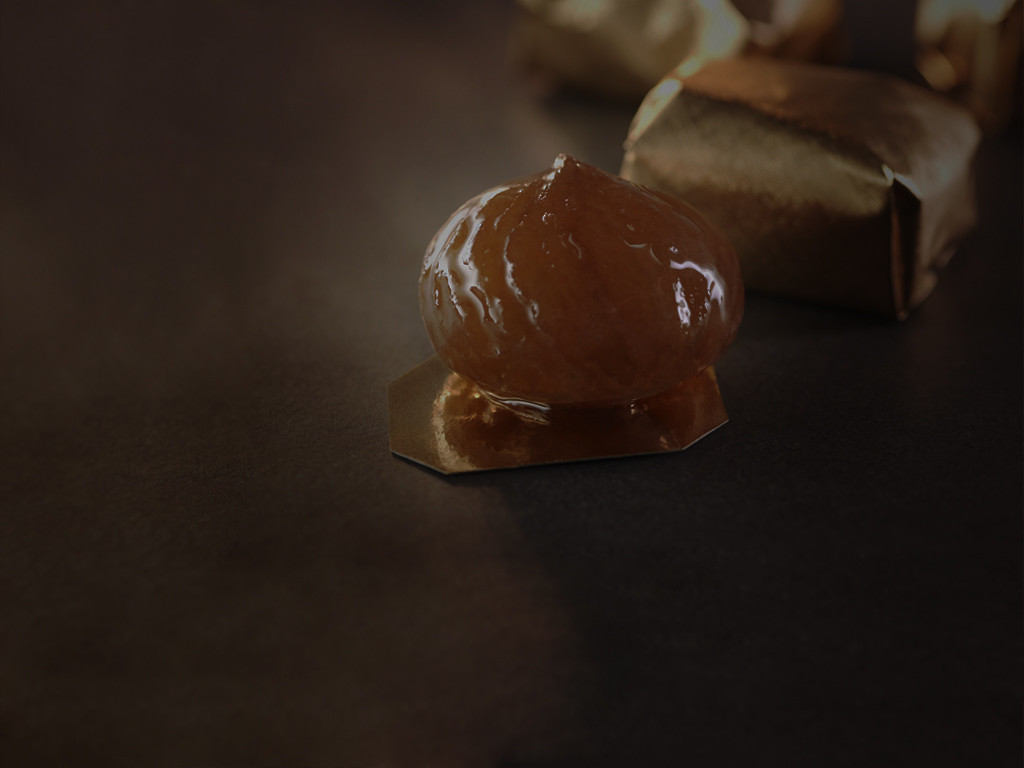 marron glacé
Pasticceria Nencioni – Via Pietrapiana, 24/r, 50121 Florence FI, Italy A historic Florentine institution, it’s particularly appealing to those who want to sample seasonal chestnut-based desserts. Among the documented creations are the Monte Bianco and a tart made with chestnut flour, chocolate ganache, and marron glacé: a particularly indulgent pairing of two great ingredients in fall pastry-making.
Pasticceria Buonamici – Via dell’Orto, 27R, 50124 Florence FI, Italy In the heart of San Frediano, this historic pastry shop keeps the tradition of Florentine desserts alive. The castagnaccio is among the documented seasonal creations, alongside schiacciata with grapes, rice fritters, and cantucci. An ideal stop to rediscover the flavors of the most authentic Florence.
Forno Becagli – Borgo Ognissanti 92/r A must-visit for lovers of artisanal bread and traditional pastries. The castagnaccio, prepared during chestnut flour season, is prized for its soft texture and balanced flavor, enriched with pine nuts, raisins, and rosemary.
Forno Pintucci – Piazzale di Porta Romana 7/r A must-visit spot for anyone who loves Florentine baked goods. In the fall, alongside chestnut and chocolate bread, you’ll find castagnaccio—the star of a lineup that blends traditional recipes with culinary innovation.
Antico Forno Giglio – Via Vincenzo Gioberti 151/r In the lively Via Gioberti area, another spot to note for those seeking traditional castagnaccio—already selected as one of the Florentine bakeries where you can enjoy this specialty.
Cantinetta Antinori – Piazza degli Antinori 3 For those who prefer to savor castagnaccio seated at a table in an elegant setting, the version offered by Cantinetta Antinori is worth trying. Prepared—according to the recipe shared by the chef—using Mugello chestnut flour, it can be paired with flavored ricotta and a glass of Vin Santo. The availability of this dessert depends on the seasonal menu.
To learn about the traditional desserts of this time of year, particularly those for All Saints’ Day (November 1), click here
The 5 Most Iconic Chestnut and Marron Festivals in Tuscany
1. Marradi Marron Buono Market Fair – Mugello (Florence) every Sunday in October
2. The Crastatone of Piancastagnaio – Monte Amiata (Siena) last weekend of October
3. Barga Castagna – Barga (Lucca) first Sunday in November
4. Castagnata nel Borgo – Ponticello, Filattiera (MS) first and second Sundays in November
5. Festa della Castagna – Orsigna (PT) second Sunday in November