


text Guido Parigi photo Frankenstein S.r.l.


Isola del Giglio, la perla dell'Arcipelago Toscano
Un viaggio in questa perla color smeraldo tra spiagge selvagge, acque cristalline e panorami spettacolari
People who love contact with nature, like to swim in a crystal clear sea where it is possible to admire sea fans, Neptune grass and a lot of fishes from the Mediterranean Sea, and want to spend some time in an island of a wild natural beauty that offers mild climate and amazing views, don’t have a better choice than visiting the Giglio Island. The Giglio Island belongs, together with the other six islands off the Tuscan coast, to the Arcipelago Toscano National Park.
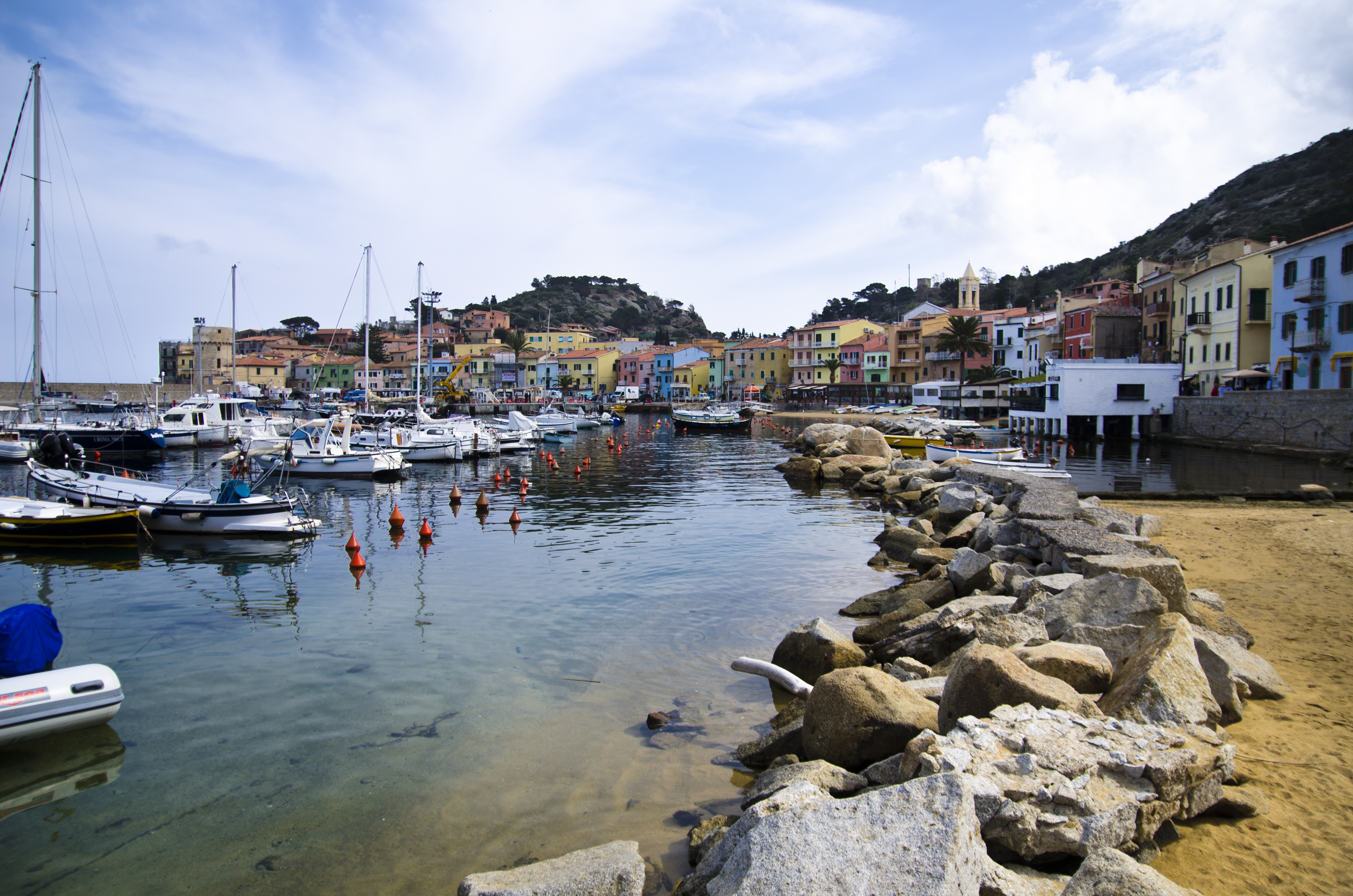 Giglio Porto
On January 13, 2012, at 9:45 p.m., the Costa Concordia, a 450 million euro floating city, hit one of the three rocks of the Scole, not far from the island of Giglio, which are part of the Tuscan Archipelago National Park. This is the story of the Costa Concordia shipwreck, but also of an island that has profoundly changed since that moment and that deserves to be remembered and visited also for its wonders.
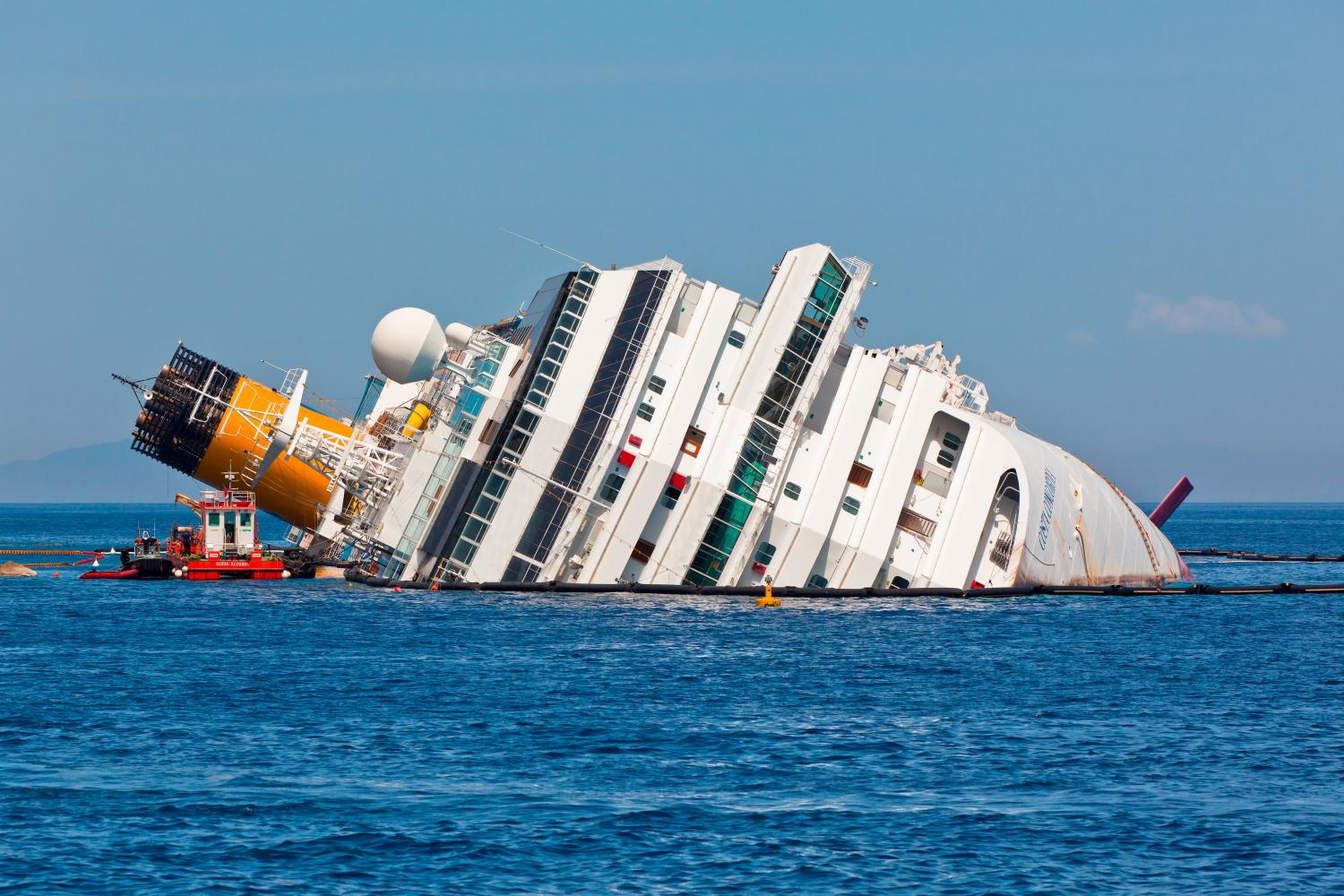 Costa Concordia ph Shutterstock
About one hour’s sail -by ferry-boat- from the Argentario, the island has less than 1,500 inhabitants, who live in the three principal villages of Giglio Porto, Giglio Castello and the Campese. The Giglio Island is the second largest island of this Tuscan archipelago, but the population is to be found above all in the northern part of the island, while the rest of it is completely inhabited. Just brushes, rocks and some cultivated areas. The three villages are connected by a road that starts at the island’s harbor and goes up steeply for about 10km with many hairpin bends until the Castello, and then goes down the other side till it reaches the beach of the Campese. From Castello southwards it is impossible to find a house: on the crest of the island a paved road that offers a wonderful panoramic view ends, after 5 km, with a lane that brings to the Capel Rosso lighthouse. Going along it is the best way not only to hawk 360-degree amazing panoramas.
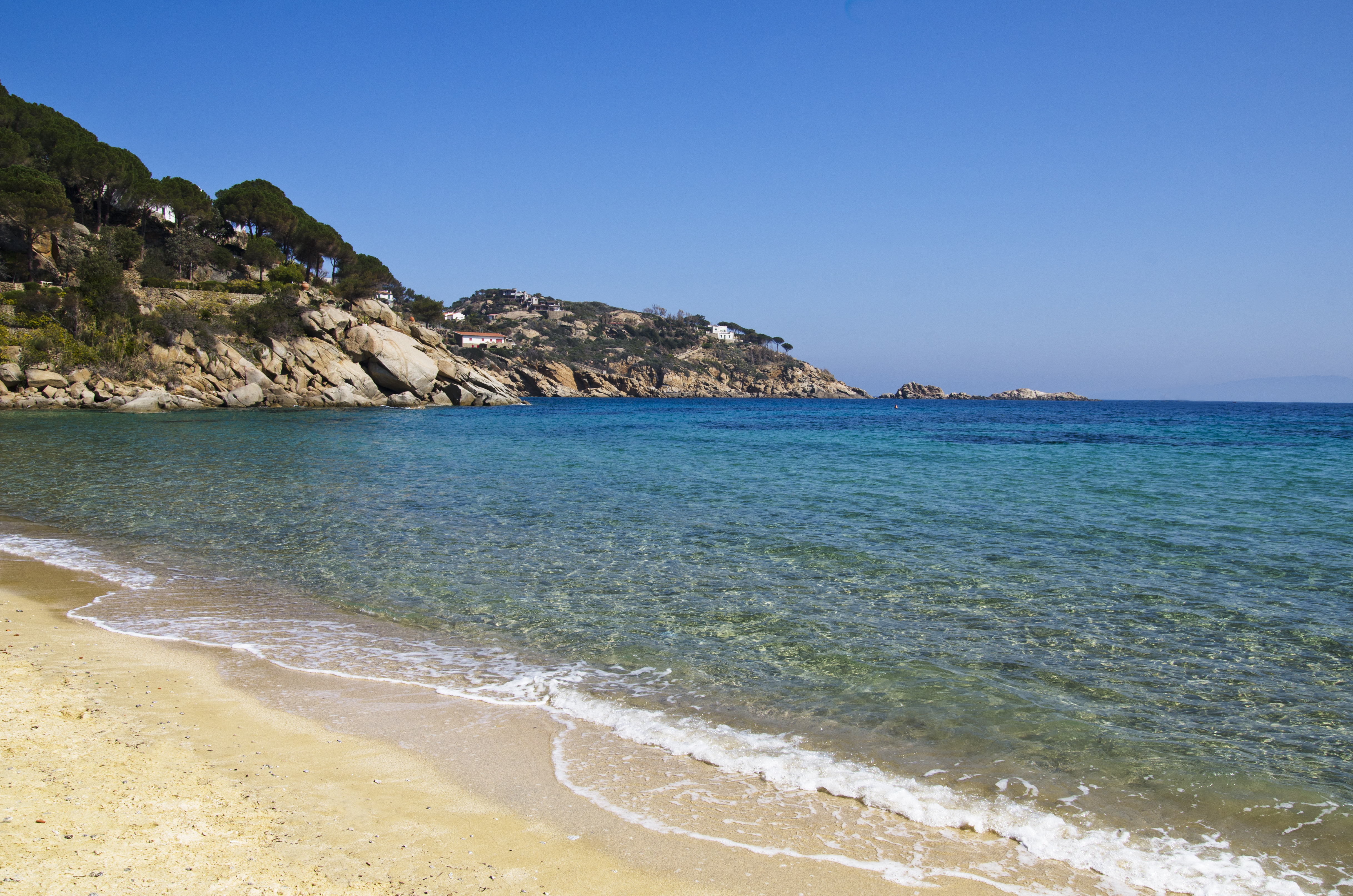 Spiaggia Cannelle - Isola del Giglio
Cliffs of smooth granite and limestone dominate this island (the Poggio della Pagana is 486-metre high), with very few fertile portions of land where it is difficult to live, also because this island has been for centuries an excellent site for the incursions of Saracen pirates, which lasted until the end of the 18th Century. The inhabitants of the Giglio Island, safe behind the Castello walls, tried to make their best to defend themselves from the enemy. We just have to look at the solidity of the island’s walls (to be dated back to the 11th Century) and at the entrance gate of the castle (three doors and towering granite rocks) to understand the way they had organized it there.
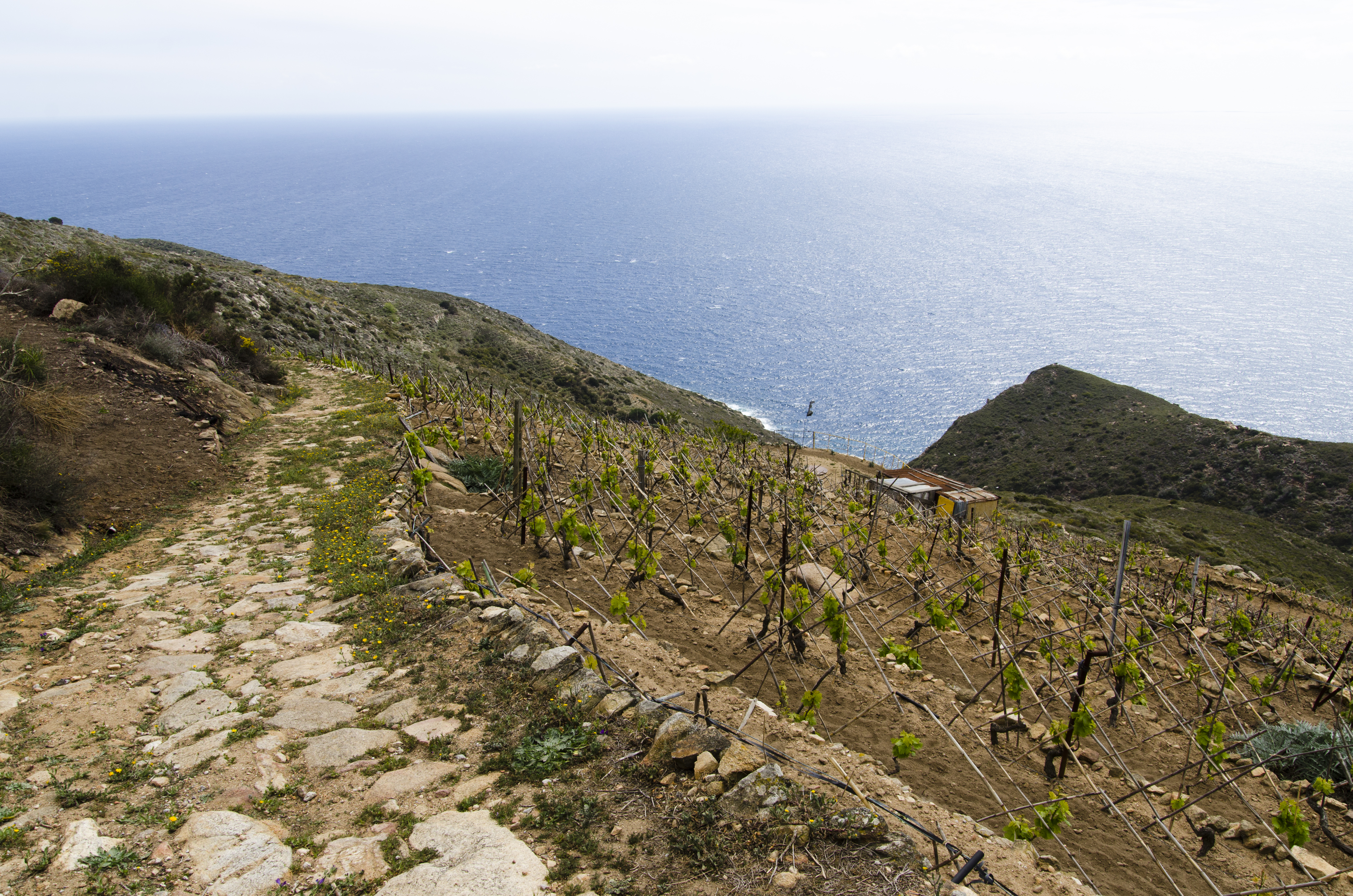 Isola del Giglio
The Romans settled at Giglio Porto, but this site has been abandoned to be settled again several times. The Saraceno Tower (1596) has been the only fortress there for centuries, while the village has recently undergone much development thanks to the opportunities offered by the island. Finally, the Campese began to develop at the beginning of the 20th Century, acquiring ever more importance because of the extraction of iron pyrite from its mine. In 1962 the mine was closed, and its wide and sun-filled beach –the widest of the island- has turned the village into a cozy and secret sea-resort. Toremar and Maregiglio ferry boats connect the Island with Porto Santo Stefano several times a day. The best choice to enjoy the seaside at most, discovering the island’s little bays and beaches that are difficult to reach by land, is undoubtedly to rent a ship or a rubber boat. They can be rent at Giglio Porto, at Campese, at Arenella and Cannelle. The sea and its floors are the treasures of an island that has always put a special attention to the environment, avoiding the use of too much asphalt and concrete. Those who love diving can visit the many Diving Centers of the island, where the staff is always ready with suggestions about the many dive sites placed along the island’s coast. The best dive sites are: Tralicci, punta delle Secche, Punta del Morto, secca della Croce, cala Cupa, Le Scole, secca Zampa di Gatto, scoglio di Pietrabona, cala del Corvo e cala dell’Allume.
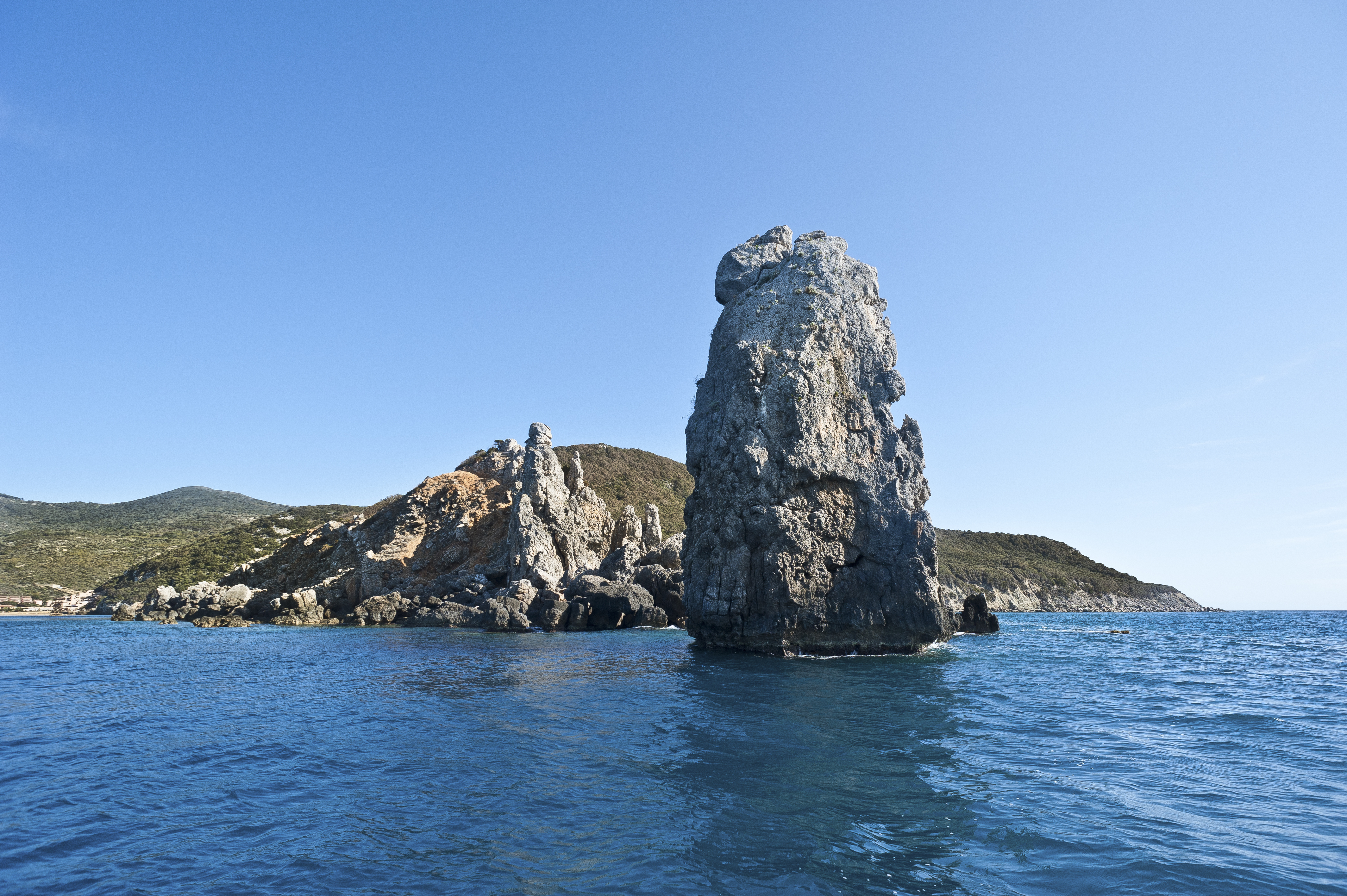 Punta del Faraglione - Isola del Giglio
Tourists are offered really good solutions: good quality hotels, the possibility to choose from a range of residence rentals and apartments, as well as the wonderful restaurants that offer above all exquisite dishes based on freshly caught fish and products from the territory, to be matched with the island’s Ansonico wine (HERE the restaurants not to be missed on the island to taste its typical products).


