text Francesca Lombardi



The New Home of the Casamonti Collection
At Palazzo San Giorgio on Lungarno Serristori, the Association for Art and Culture – Casamonti Collection is opening a new chapter in its history
Some 250 works, ranging from the 19th century to the contemporary era, trace over fifty years of passion for art through a single exhibition itinerary.Some collections are built to freeze time, while others seem to keep it constantly in motion. The Association for Art and Culture – Casamonti Collection belongs to the latter category: not a static collection of works, but a living entity that has evolved over the years through encounters, insights, acquisitions, replacements, and discoveries. “Change is part of its very identity,” observes Roberto Casamonti.
To read our interview with Roberto and Marco Casamonti, click here!
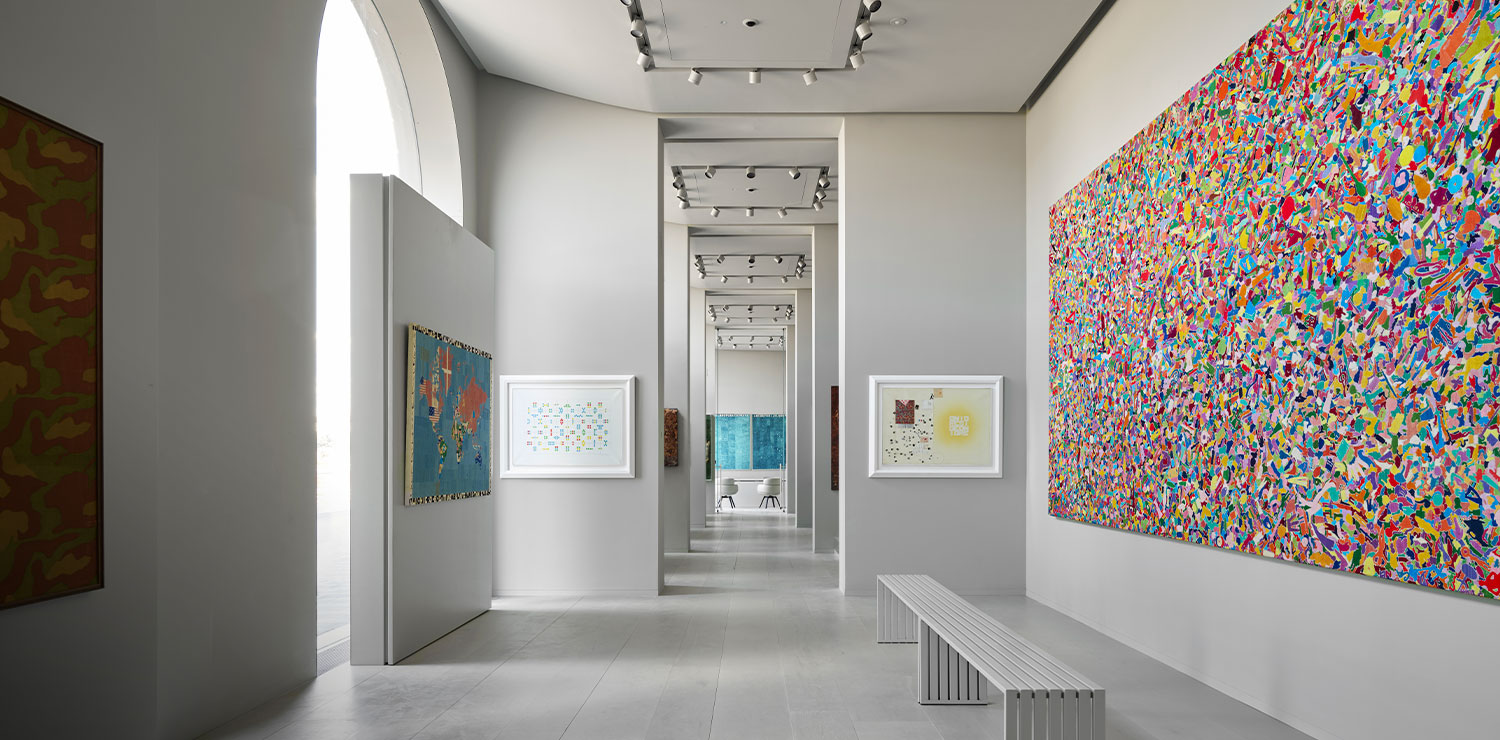 Collezione Casamonti
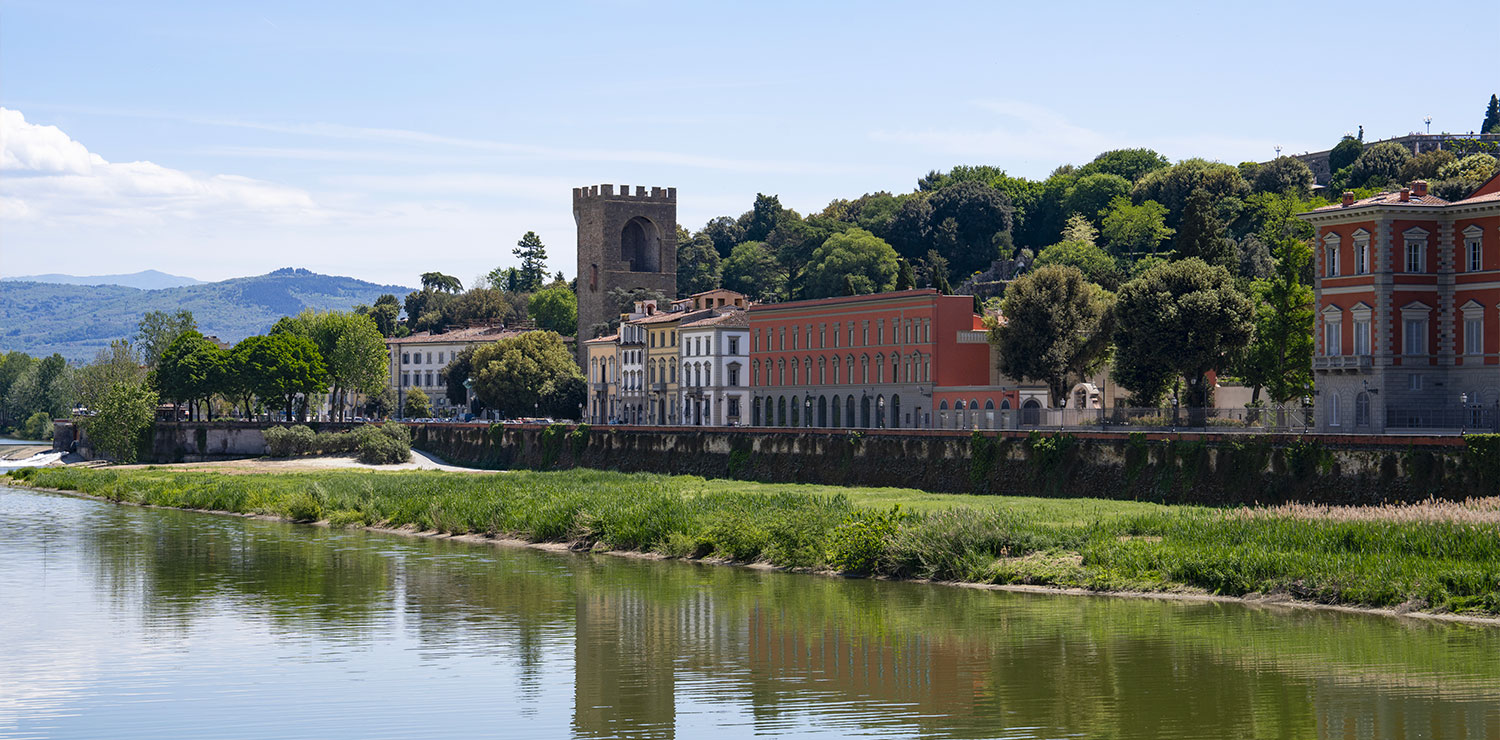
 Since this fall, this story has found a new home at Palazzo San Giorgio, on Lungarno Serristori, formerly known as Villa San Giorgio. The move marks a new phase in the cultural project envisioned by Roberto Casamonti and, for the first time, allows the collection to be presented through a single, comprehensive itinerary, moving beyond the alternating display of the two exhibition spaces that had characterized the previous venue at Palazzo Bartolini Salimbeni, which opened in 2018.
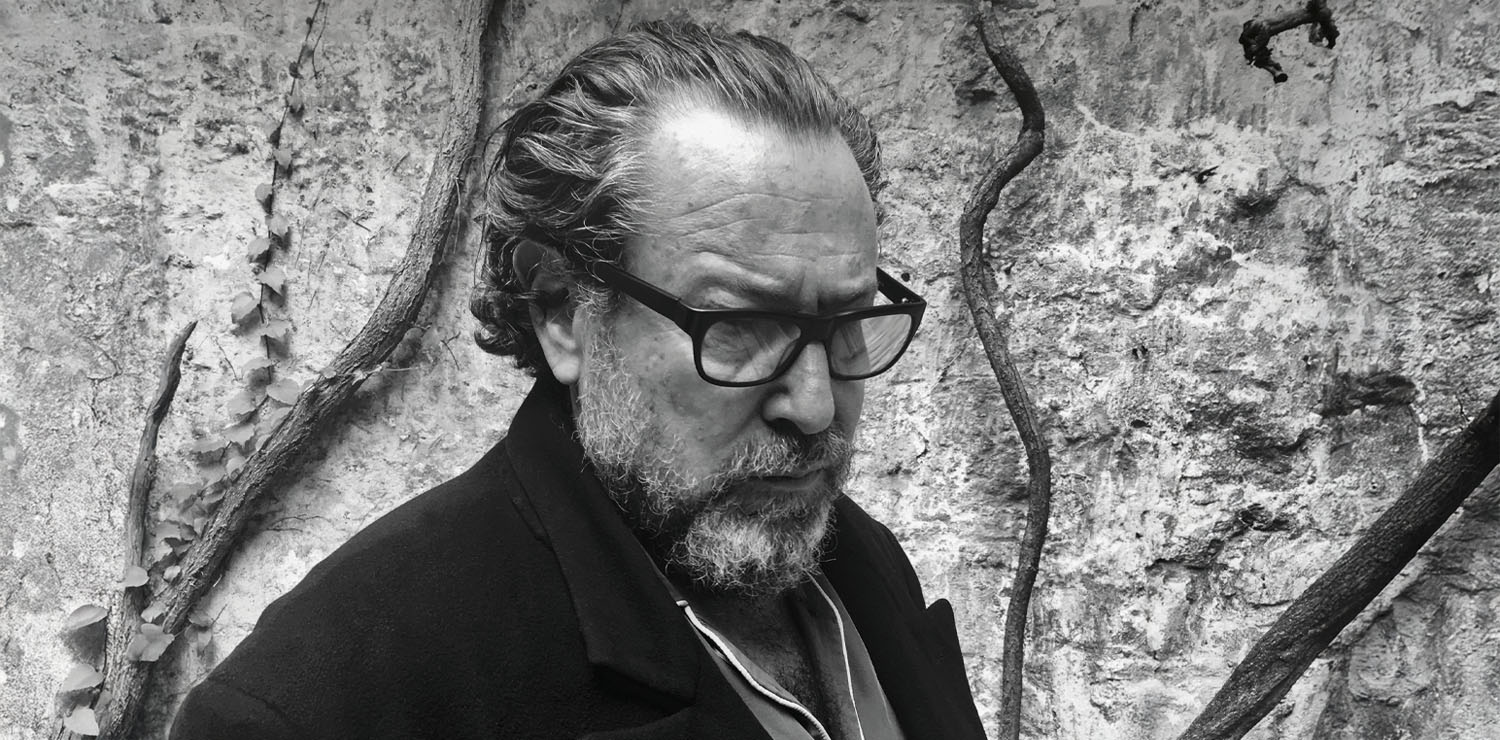
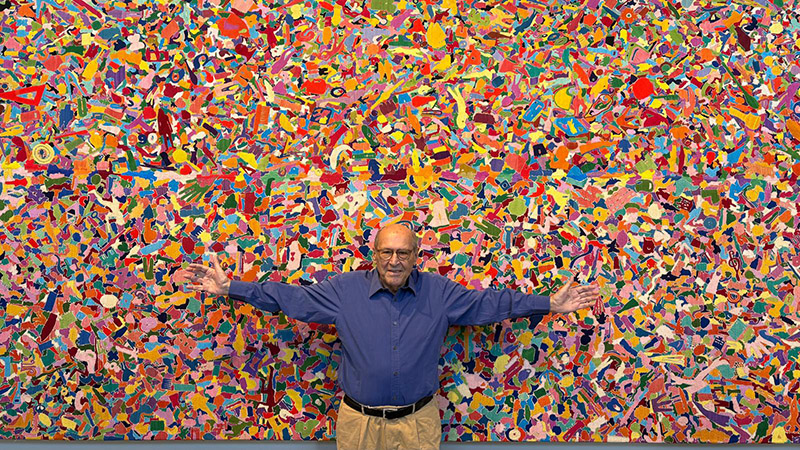 Roberto Casamonti
 Built between 1875 and 1877 for the Serristori family based on a design by Eugenio Falciani, Palazzo San Giorgio is a building that Florence has continually reimagined and that now returns to the city through art.
The recent restoration and adaptive reuse project, overseen by Marco Casamonti and his firm Archea Associati — whose offices are located on the upper floor of the palace — has restored the structure without erasing its character. On the ground floor, the eleven large arches facing the Lungarno Serristori, now glazed, lead into a series of spaces that preserve the memory of the original structure. Rather than imposing a new architectural style, the project sought to free the existing structure from the layers accumulated over time, fostering a more natural relationship between space and the artworks.It is precisely this sequence of rooms that becomes part of the narrative. Marco traces it back to the Florentine museum tradition—that continuity of spaces also found in the Palazzo Pitti and the Palatine Gallery. Here, however, this legacy is translated into a contemporary vocabulary, in which architecture and art are not simply juxtaposed: they observe and shape one another.The Casamonti Collection now brings together some 250 works, distributed across 28 rooms on the two exhibition levels of Palazzo San Giorgio, on Lungarno Serristori.
This exhibition journey spans different movements, generations, and artistic languages, offering a broader perspective on a collection built up over more than fifty years. It does not follow a rigidly encyclopedic approach, but rather explores comparisons, affinities, and differences that inevitably reflect the vision of the person who encountered and selected these works.
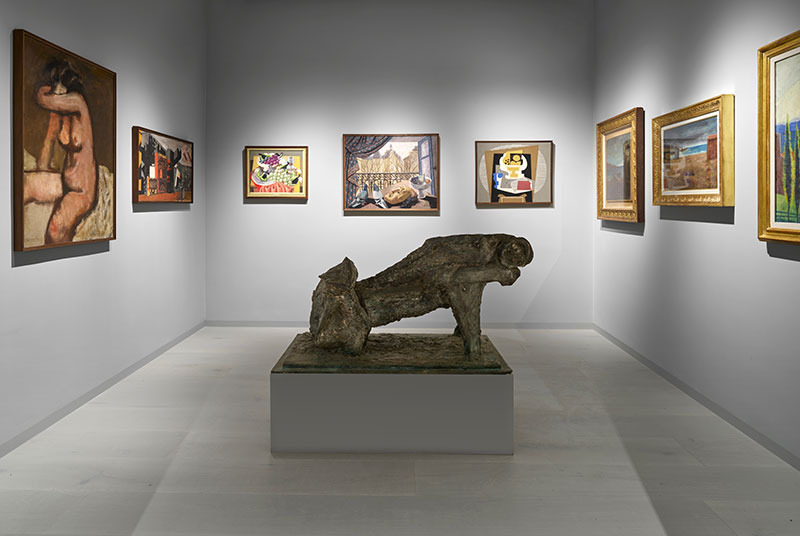 Collezione Casamonti
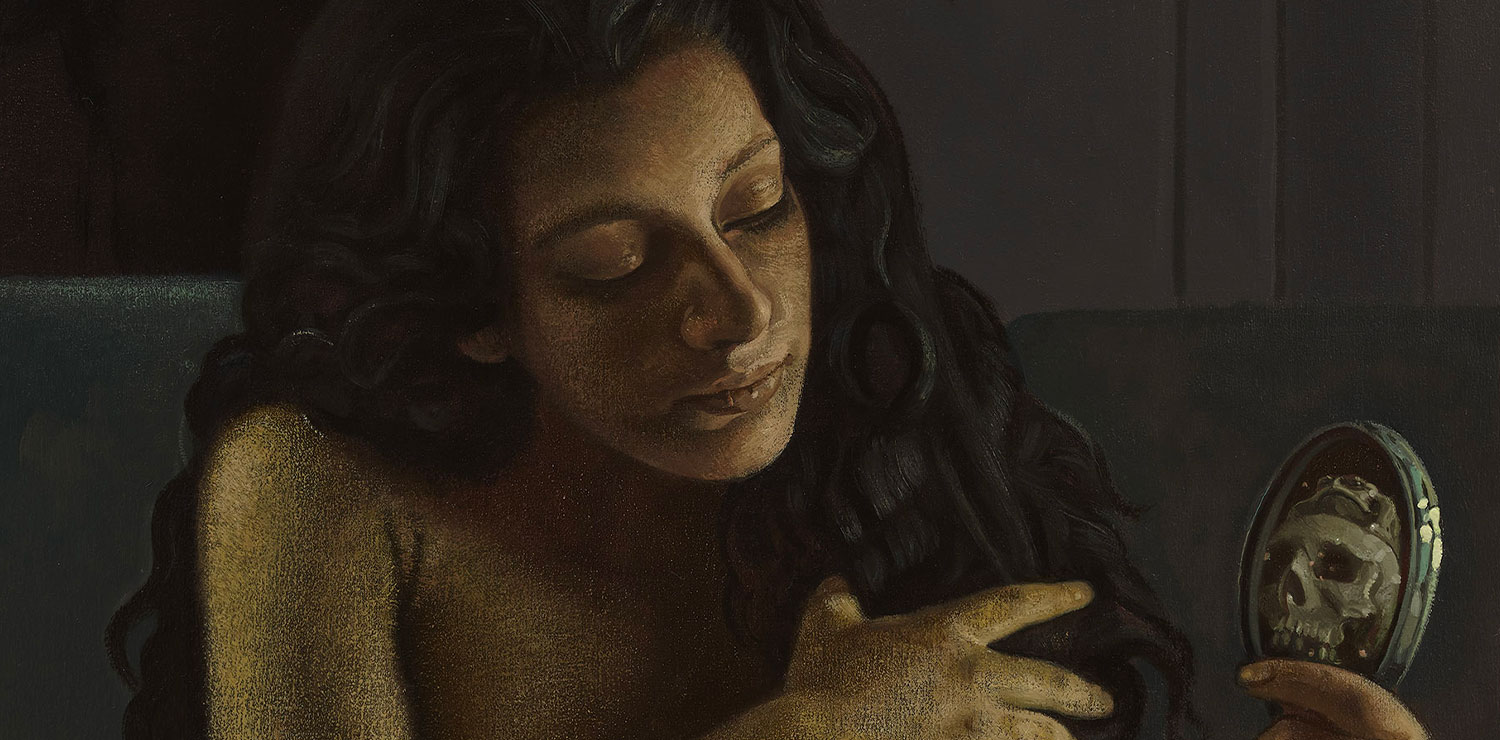
From Italian painting of the late 19th and early 20th centuries to the historical avant-garde movements, from Futurism to Metaphysical Art, from Cubism to abstract experiments, the narrative proceeds toward Informal Art, Spatialism, Arte Povera, Nouveau Réalisme, and Pop Art, culminating in Graffiti Art, the Transavantgarde, Video Art, and Performance Art. Boldini and Balla, de Chirico and Picasso, Kandinsky, Dalí, Magritte, Fontana, and Burri thus coexist with Warhol, Basquiat, Haring, Bill Viola, Marina Abramović, Anselm Kiefer, Anish Kapoor, and Maurizio Cattelan. More than a chronological sequence, it is a web of connections between Italian and international artistic exploration.
For Roberto Casamonti, after all, it all began even before his career. It stemmed from a familiarity with art, from closeness to artists, and from conversations he overheard as a boy. He recalls dinners with Ottone Rosai when he was twelve, and encounters with Soffici, Campigli, and Pomodoro. And above all, he recalls a young acquisition from Gianni Dova: a tempera painting he personally took to the artist to verify its authenticity and then exchanged, almost on impulse, for Toro in giardino.
A small yet foundational episode: the beginning of a way of looking, choosing, and taking risks that would shape his entire life.That same familiarity with art inevitably passes from one generation to the next.
For Marco Casamonti, growing up alongside the collection meant living among the works even before studying them. Fontana, Boetti, Spatialism, and Arte Povera entered his imagination and, almost unconsciously, his way of conceiving architecture. “It’s one thing to study art; it’s another to live within it,” he says.Palazzo San Giorgio, on Lungarno Serristori, now embodies this intertwining.
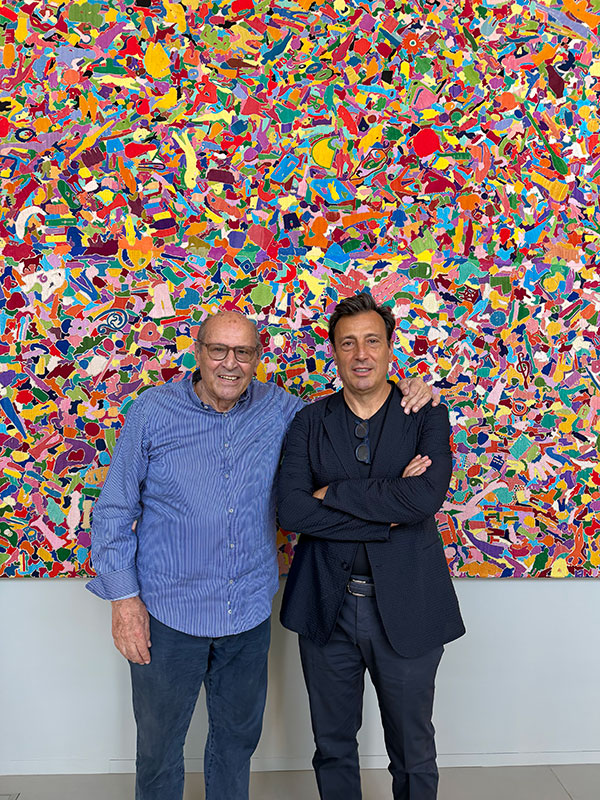 Roberto and Marco Casamonti in front of the work by Alighiero Boetti
The Casamonti Collection and the Archea Associati studio share the same building, while Marco lives on the upper floors: a contemporary take on the “home-workshop” that is deeply rooted in Florence’s history.But the building was not designed to be a static treasure chest. Its ambition is quite the opposite: to be permeated by different languages and eras, to foster dialogue between the ancient and the contemporary, and to connect art with architecture, cinema, music, and literature.Ultimately, the new space at Palazzo San Giorgio, on Lungarno Serristori, conveys something that transcends individual works. It embodies a way of understanding collecting not as possession, but as an exercise of the gaze; and architecture not as a container, but as part of that very exercise. Father and son have arrived at this point via different paths, but it is precisely here that those paths seem to converge.
Information
Palazzo San Giorgio, Lungarno Serristori 17, Florence.
Open Tuesday through Saturday, 10:00 a.m.–1:00 p.m. and 2:00 p.m.–7:00 p.m. Closed Mondays, Sundays, and on holidays.